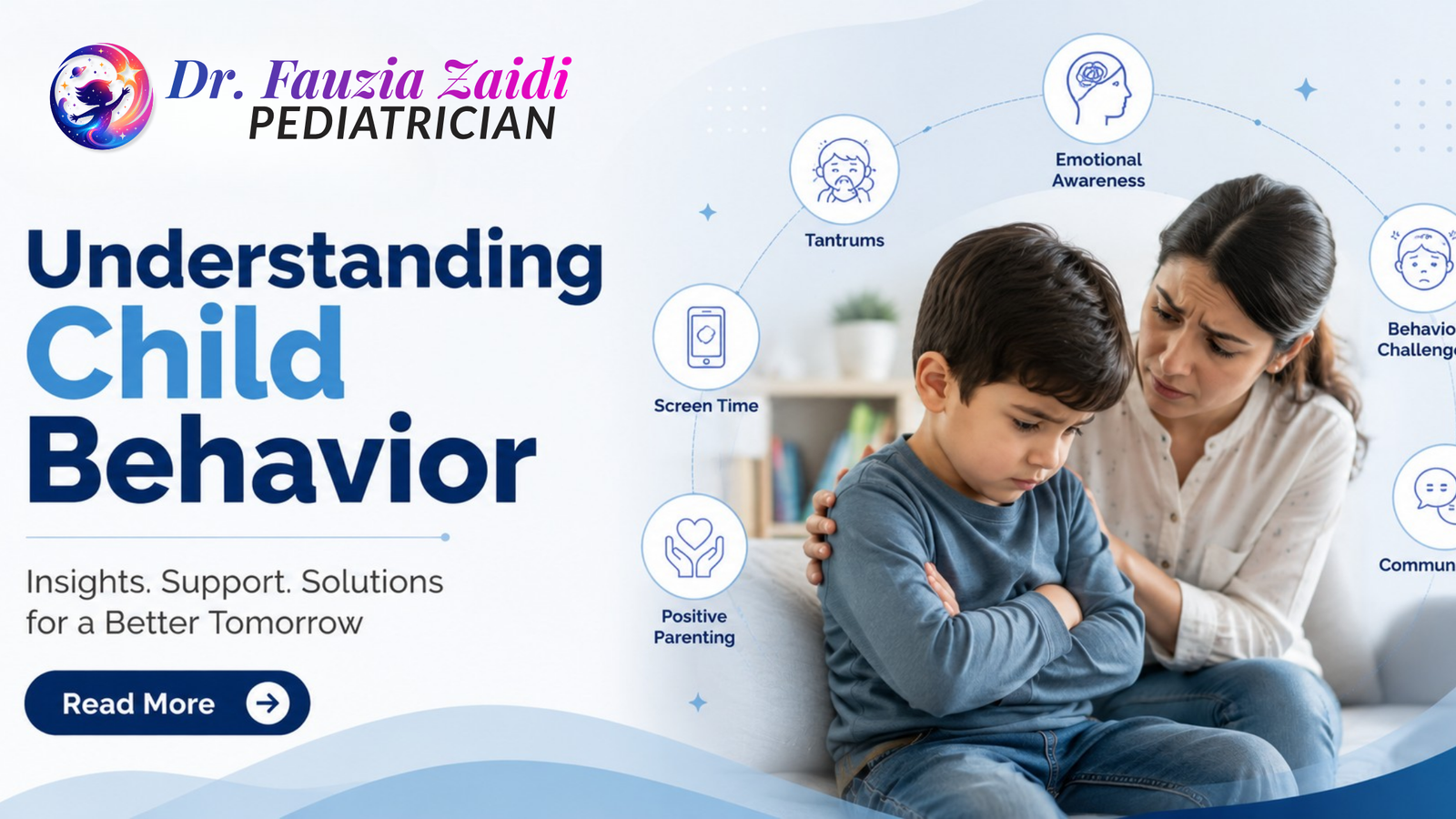







Understanding Child Behavior Problems – Tantrums, Screen Time & Emotional Issues
Introduction
Every child goes through emotional and behavioral changes while growing up. Tantrums, stubbornness, excessive crying, difficulty following instructions, mood changes, and increased screen use can sometimes be a normal part of development. However, when these behaviors become frequent, intense, or begin affecting a child's learning, sleep, relationships, or daily routine, parents may need to look deeper.
Children often express emotions through behavior because they may not yet have the vocabulary or emotional skills to explain what they are feeling. Understanding the reason behind difficult behavior is therefore more useful than simply labeling a child as disobedient.
If parents notice persistent behavioral or emotional concerns, consulting the Best Pediatrician in Noida can help assess the child's development, daily routine, physical health, and overall well-being.
What Are Child Behavior Problems?
Behavior problems refer to repeated patterns of actions or emotional responses that become difficult for the child or family to manage. What is considered concerning depends greatly on the child's age and developmental stage.
For example, occasional tantrums are common among toddlers. A young child may cry, scream, throw objects, or refuse instructions because they are still learning how to regulate emotions.
As children grow older, they usually become better at communicating frustration and controlling impulses. When severe behaviors continue beyond the expected developmental stage or interfere with everyday life, further evaluation may be appropriate.
Why Do Children Have Tantrums?
Tantrums are among the most common behavioral concerns in young children. They usually occur when a child feels overwhelmed and cannot communicate or manage the emotion effectively.
Common triggers include:
- Hunger or tiredness
- Frustration
- Changes in routine
- Being denied something they want
- Difficulty communicating
- Seeking attention
- Overstimulation
- Emotional stress
How Should Parents Handle Tantrums?
During a tantrum, parents should try to remain calm and ensure the child is safe. Shouting, threatening, or immediately giving the child what they demand may reinforce unwanted behavior.
Instead, use simple and calm language. Once the child settles down, acknowledge the emotion and help them identify it.
For example, saying, "I know you're upset because playtime ended," can gradually help a child understand and communicate feelings.
Consistency is important. Children benefit when boundaries and consequences are predictable.
Screen Time and Child Behavior
Smartphones, tablets, television, computers, and gaming devices have become part of everyday family life. Digital technology can provide educational and recreational benefits, but excessive or poorly managed screen use may interfere with other important activities.
Problems may arise when screen time replaces:
- Physical activity
- Face-to-face interaction
- Family time
- Outdoor play
- Reading
- Creative activities
- Regular sleep
Some children may become irritable when devices are removed or repeatedly demand screen access. If screen habits are causing significant conflict or interfering with sleep, eating, schoolwork, or social interaction, parents can discuss these concerns with the Best Pediatrician in Noida.
How Can Parents Manage Screen Time?
Healthy digital habits work best when the whole family participates.
Create Clear Rules
Set age-appropriate boundaries around when and where screens can be used. Rules should be simple enough for children to understand.
Avoid Screens Before Bedtime
Screen use close to bedtime may make it harder for some children to settle into a healthy sleep routine. Create a calming bedtime routine involving activities such as reading or quiet conversation.
Encourage Alternative Activities
Outdoor games, sports, drawing, puzzles, music, books, and family activities can help reduce dependence on digital entertainment.
Parents Should Model Healthy Habits
Children often copy adults. If parents frequently use phones during meals or conversations, children may consider the same behavior acceptable.
Designating certain times or areas as screen-free can benefit the entire family.
Understanding Emotional Issues in Children
Children experience many of the same emotions as adults, including fear, sadness, anger, embarrassment, loneliness, and worry. However, they may express these feelings differently.
Emotional difficulties can sometimes appear as behavioral problems.
A worried child may complain of stomach discomfort before school. A child experiencing sadness may become unusually quiet or irritable. Another child may become aggressive when struggling with emotions they cannot explain.
Possible signs of emotional difficulties include:
- Frequent unexplained crying
- Excessive fear or worry
- Sudden mood changes
- Withdrawal from family or friends
- Loss of interest in favorite activities
- Changes in appetite
- Difficulty sleeping
- Frequent anger or aggression
- Decline in school performance
- Repeated physical complaints without an obvious explanation
One symptom alone does not necessarily indicate an emotional disorder. Parents should consider how long the behavior lasts, how severe it is, and whether it affects everyday functioning.
The Importance of Communication
Open communication helps children feel secure enough to discuss difficult emotions.
Instead of immediately correcting behavior, parents can first try to understand what happened. Ask simple questions such as, "What made you upset?" or "What happened at school today?"
Avoid dismissing feelings with statements such as "There's nothing to worry about." A situation that seems minor to an adult can feel very important to a child.
Listening carefully does not mean agreeing with every demand. Parents can validate an emotion while still maintaining appropriate boundaries.
Sleep, Diet, and Physical Activity Matter
Their overall routine influences a child's behavior.
Insufficient sleep can contribute to irritability, poor concentration, and difficulty managing emotions. Irregular eating patterns may also affect energy and mood.
Regular physical activity gives children opportunities to use energy, play socially, and maintain a healthy routine.
Parents concerned about behavioral changes should consider whether the child is getting adequate sleep, balanced nutrition, physical activity, playtime, and positive interaction with family members.
Positive Parenting Strategies for Better Behavior
Parents can encourage healthier behavior through consistent and supportive strategies.
Praise Positive Behavior
Notice when your child behaves appropriately. Specific praise such as "I liked how you put your toys away when I asked" helps reinforce positive actions.
Maintain Predictable Routines
Regular schedules for meals, schoolwork, play, and bedtime can help children know what to expect.
Set Clear Boundaries
Rules should be simple, realistic, and appropriate for the child's age.
Offer Choices
Providing limited choices can give children a sense of control. For example, ask whether they want to wear the blue shirt or the green shirt rather than allowing an unlimited decision.
Avoid Comparing Children
Every child develops differently. Frequent comparisons with siblings or classmates can negatively affect confidence and emotional well-being.
When Should Parents Seek Professional Help?
Parents should consider professional evaluation when behavioral or emotional changes are severe, persistent, or significantly affect everyday functioning.
Warning signs can include extreme aggression, repeated school refusal, persistent sadness or anxiety, major sleep disturbances, developmental concerns, significant social withdrawal, or behavior that puts the child or others at risk.
Consulting the Best Pediatrician in Noida can help determine whether the behavior is related to normal development, lifestyle factors, physical health, sleep difficulties, learning concerns, or another issue requiring additional assessment.
A pediatrician may recommend further evaluation by a child psychologist, developmental specialist, psychiatrist, counselor, or another appropriate professional when necessary.
Supporting a Child's Emotional Development
Emotional development takes time. Children learn how to identify feelings, communicate needs, solve problems, and control impulses gradually.
Parents can support this process by maintaining consistent routines, listening without immediate judgment, encouraging healthy activities, setting appropriate boundaries, and spending meaningful time together.
When challenging behavior occurs, focus on understanding both the behavior and the emotion behind it.
Regular developmental and health check-ups with the Best Pediatrician in Noida can also provide parents with an opportunity to discuss behavioral, emotional, sleep, screen-time, and developmental concerns.
Conclusion
Tantrums, screen-time conflicts, mood changes, and emotional difficulties can occur at different stages of childhood. Many are temporary and improve as children develop better communication and emotional regulation skills.
However, persistent or severe behavioral changes should not simply be ignored. Healthy routines, balanced screen use, adequate sleep, physical activity, positive reinforcement, clear boundaries, and supportive communication can help children develop stronger emotional and behavioral skills.
Early recognition and appropriate professional guidance can also help parents understand their child's needs and provide the right support at the right time.
Frequently Asked Questions (FAQs)
1. Are tantrums normal in young children?
Yes. Occasional tantrums are common, especially in toddlers who are still learning emotional regulation.
2. Can too much screen time affect behavior?
Excessive screen use may interfere with sleep, physical activity, family interaction, and other healthy routines.
3. How should parents respond to tantrums?
Stay calm, keep the child safe, maintain consistent boundaries, and discuss the emotion after the child settles.
4. When should behavioral problems concern parents?
Seek professional advice when behavior is persistent, severe, unsafe, or affects school, sleep, relationships, or everyday activities.
5. How can parents support children's emotional health?
Listen to their feelings, maintain healthy routines, encourage physical activity and play, set clear boundaries, and provide positive reinforcement.

.png)