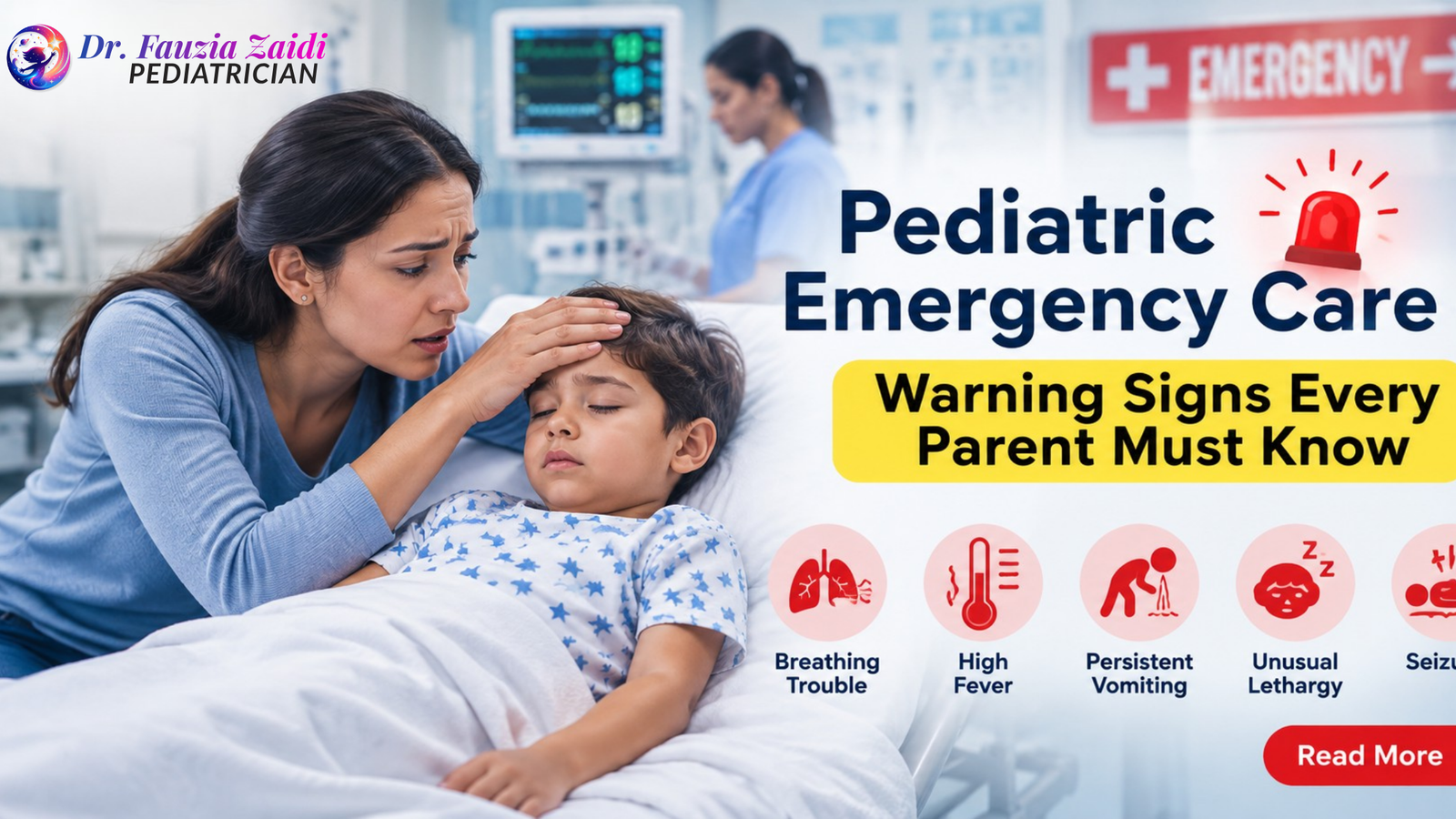







Common Childhood Illnesses: When to Visit a Pediatrician
Children are naturally curious, playful, and constantly exploring the world around them. As they grow, exposure to germs, seasonal changes, and developing immunity often lead to occasional illnesses. While many common childhood illnesses improve with rest and home care, some symptoms require prompt medical attention. Knowing when to visit a pediatrician can make all the difference in your child’s recovery and comfort.
According to Dr. Fauzia Zaidi, early diagnosis and timely treatment help prevent complications and ensure children receive the right care at the right time. Parents often wonder whether a cough, fever, rash, or stomach upset is normal—or a sign that professional help is needed.
This guide will help you understand common childhood illnesses and recognize when it’s best to consult a pediatrician.
Why Childhood Illnesses Are So Common
Children’s immune systems are still developing, making them more susceptible to viruses and infections. School environments, playgrounds, shared toys, and close contact with other children can increase exposure to germs.
The good news is that many illnesses are mild and manageable. However, parents should remain alert to symptoms that persist, worsen, or affect a child’s behavior, hydration, breathing, or energy levels.
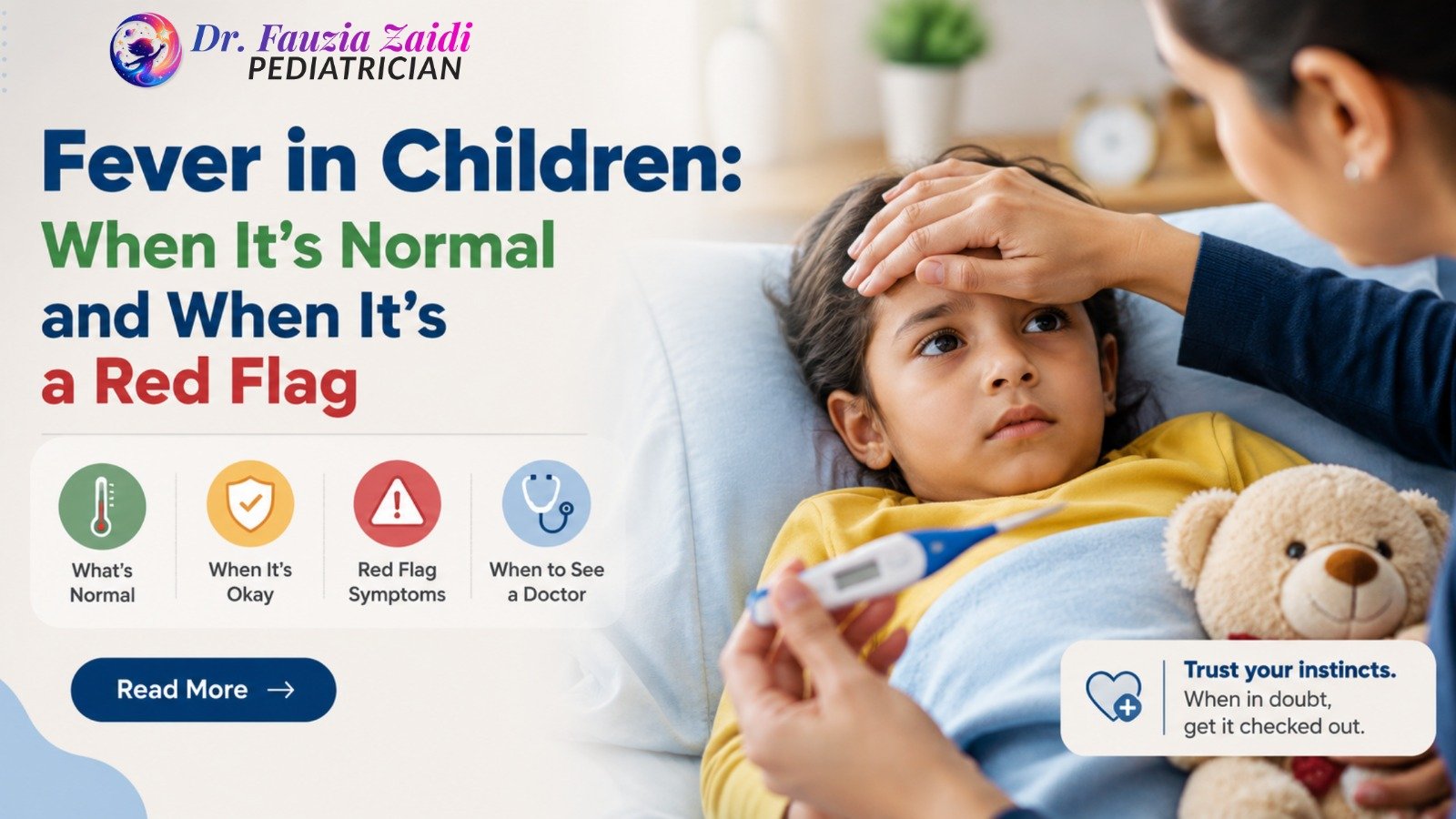
1. Fever in Children
Fever is one of the most common reasons parents seek medical advice. It often signals the body is fighting an infection.
Visit a Pediatrician If:
- Fever lasts more than 2–3 days
- Temperature is very high
- Child is unusually sleepy or irritable
- Poor feeding or refusal to drink fluids
- Seizures occur with fever
- Fever in infants under 3 months
While fever itself is not always dangerous, the cause may need evaluation.
2. Cold, Cough, and Flu Symptoms
Runny nose, sneezing, sore throat, and cough are common in growing children, especially during weather changes.
Visit a Pediatrician If:
- Cough lasts more than 2 weeks
- Wheezing or noisy breathing develops
- Difficulty breathing or fast breathing
- Child cannot sleep or eat properly
- Persistent chest congestion
- Fever with worsening cough
A lingering cough could indicate asthma, bronchitis, allergies, or pneumonia.
3. Vomiting and Diarrhea
Digestive infections are frequent in children and may spread quickly in schools or daycare settings.
Visit a Pediatrician If:
- Signs of dehydration (dry mouth, no tears, reduced urination)
- Blood in stool or vomit
- Repeated vomiting
- Severe stomach pain
- Child becomes weak or lethargic
- Symptoms last more than 24 hours in younger children
Children can lose fluids quickly, making early care important.
4. Ear Infections
Ear infections often follow colds and are especially common in infants and toddlers.
Signs Include:
- Ear pulling
- Crying more than usual
- Trouble sleeping
- Fever
- Fluid draining from the ear
Visit a Pediatrician If:
- Symptoms continue beyond a day
- Child is in significant pain
- Hearing seems affected
- Fever accompanies ear pain
Prompt treatment can prevent discomfort and complications.
5. Skin Rashes
Children may develop rashes from allergies, infections, heat, eczema, or viral illnesses.
Visit a Pediatrician If:
- Rash spreads rapidly
- Fever is present with rash
- Rash is painful or swollen
- Blisters or peeling skin appear
- Severe itching disrupts sleep
- Rash does not improve in a few days
A rash can sometimes signal an infection or allergic reaction requiring medical care.
6. Sore Throat and Tonsillitis
A sore throat can result from viral infections or bacterial causes like strep throat.
Visit a Pediatrician If:
- Difficulty swallowing
- High fever
- Swollen neck glands
- White patches on tonsils
- Bad breath with throat pain
- Recurrent sore throats
Correct diagnosis helps determine whether antibiotics are needed.
7. Breathing Problems
Breathing issues should always be taken seriously.
Seek Immediate Pediatric Care If:
- Rapid breathing
- Chest pulling inward while breathing
- Wheezing
- Blue lips
- Persistent coughing fits
- Child struggles to speak or cry normally
These symptoms may indicate asthma, bronchiolitis, allergic reactions, or respiratory infection.
Behavioral Changes Matter Too
Sometimes the most important warning sign is not a physical symptom but a change in behavior.
Visit a Pediatrician If Your Child Is:
- Unusually sleepy
- Very irritable
- Refusing feeds or meals
- Less active than normal
- Crying inconsolably
- Not responding normally
Parents know their child best. If something feels “not right,” trust that instinct.
Home Care vs Medical Care
Many mild childhood illnesses can be managed at home with:
- Rest
- Adequate fluids
- Nutritious food
- Fever control as advised
- Comfort and monitoring
However, home care should not replace medical evaluation when warning signs appear.
Preventing Common Childhood Illnesses
Healthy habits can reduce the frequency of infections.
Encourage Handwashing
Teach children to wash hands before meals and after play.
Keep Vaccinations Updated
Vaccines protect against several serious illnesses.
Healthy Sleep Routine
Good sleep supports immunity and growth.
Balanced Nutrition
Fruits, vegetables, proteins, and hydration help build resilience.
Avoid Sick Contact When Possible
Reduce exposure during flu seasons or outbreaks.
Why Early Pediatric Care Matters
According to Dr. Fauzia Zaidi, timely pediatric consultation can shorten illness duration, prevent complications, and give parents peace of mind. Many conditions look similar at home but need professional examination for accurate treatment.
Children may not always describe pain clearly, making expert assessment especially valuable.
.png)