






Pediatric Allergy Management in Kids: Causes, Symptoms, Treatment & Prevention
Introduction
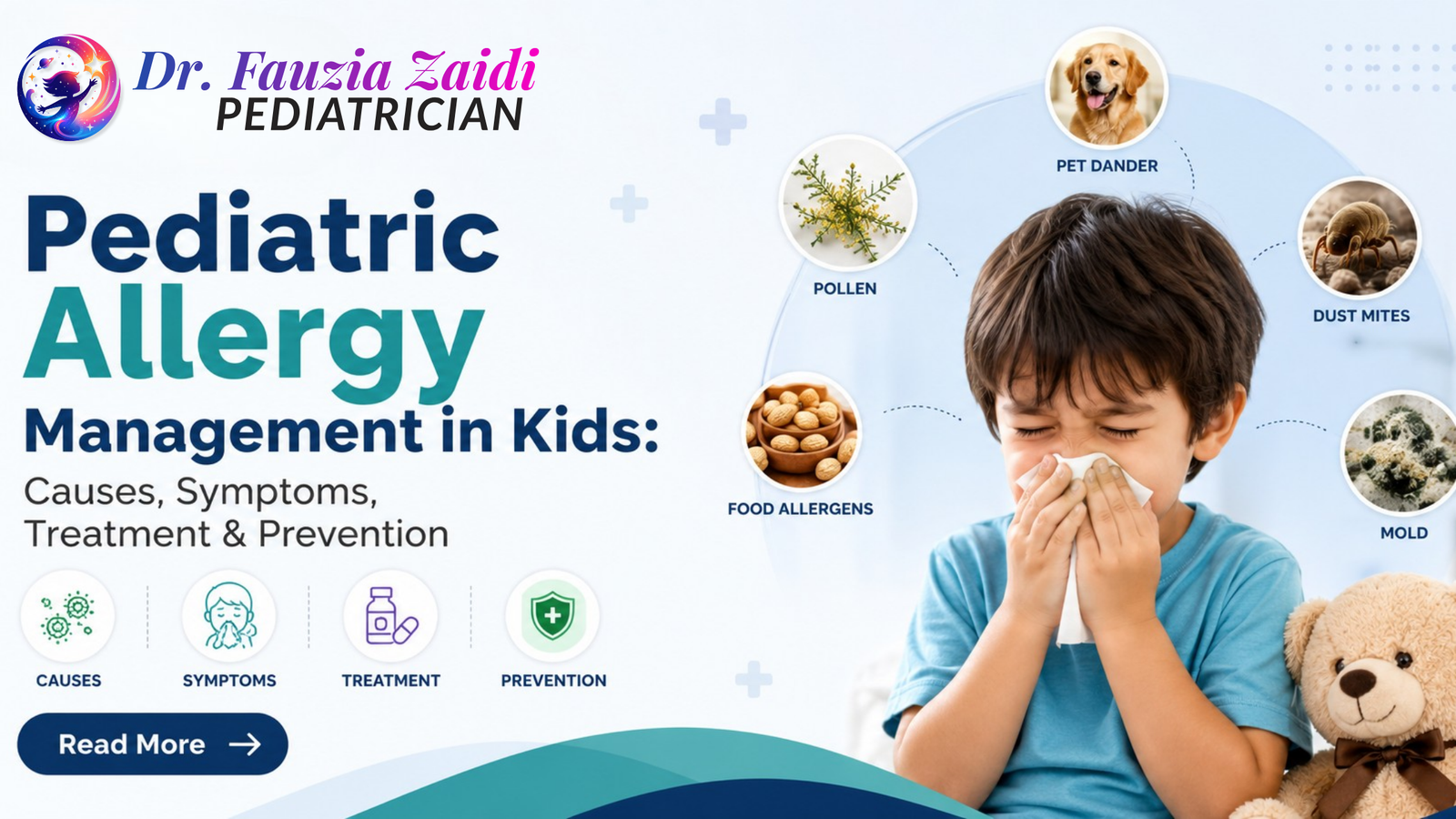
Allergies are common in children and can affect their skin, breathing, digestion, and overall comfort. Some children experience occasional mild symptoms, while others may have recurring allergies that interfere with sleep, school, outdoor activities, or daily routines. Identifying the trigger and managing symptoms appropriately can make a significant difference in a child’s quality of life.
Children may develop allergies to dust, pollen, certain foods, pet dander, insect bites, medicines, or other substances in their environment. Because allergy symptoms can sometimes resemble a common cold, infection, or digestive problem, proper medical evaluation is important. Parents concerned about frequent allergy symptoms can consult the Best Pediatrician in Noida for appropriate assessment and an individualized management plan.
What Are Allergies in Children?
An allergy occurs when the immune system reacts strongly to a substance that is usually harmless to most people. These substances are called allergens. When a susceptible child comes into contact with an allergen, the immune system may release chemicals such as histamine, leading to symptoms such as sneezing, itching, rashes, swelling, coughing, or digestive discomfort.
Childhood allergies can develop at different ages. Some may improve as children grow, while others can continue into adolescence or adulthood.
Common Types of Allergies in Kids
1. Food Allergies
Certain foods can trigger allergic reactions in children. Common food allergens include:
- Milk
- Eggs
- Peanuts
- Tree nuts
- Wheat
- Soy
- Fish and shellfish
Symptoms may include hives, vomiting, abdominal discomfort, swelling, coughing, or breathing difficulty. Suspected food allergies should be medically evaluated rather than managed through unnecessary food restriction.
2. Dust and Pollen Allergies
Dust mites, pollen, mold, and other airborne allergens can cause allergic rhinitis. Children may experience frequent sneezing, a runny or blocked nose, itchy eyes, watery eyes, or nasal irritation.
Symptoms may become worse during particular seasons or after exposure to dusty environments.
3. Skin Allergies
Atopic dermatitis, commonly called eczema, is frequently seen in children. It can cause dry, itchy, irritated, or inflamed skin.
Triggers may include heat, sweat, certain fabrics, soaps, environmental allergens, or specific foods in some children. Scratching can further irritate the skin and sometimes contribute to infection.
4. Pet Allergies
Proteins found in pet dander, saliva, and urine can trigger allergic symptoms in sensitive children. Symptoms can include sneezing, nasal congestion, itchy eyes, coughing, or worsening of asthma-like symptoms.
5. Insect Allergies
Mosquitoes and other insects commonly cause localized redness or itching. However, some children can develop stronger allergic reactions after an insect sting or bite.
Parents should seek urgent medical attention if an insect sting is followed by widespread swelling, breathing difficulty, dizziness, or other severe symptoms.
Common Signs and Symptoms of Childhood Allergies
Allergy symptoms vary depending on the trigger and the part of the body affected. Common warning signs include:
- Frequent sneezing
- Runny or blocked nose
- Persistent nasal itching
- Red, itchy, or watery eyes
- Skin rashes or hives
- Dry or itchy skin
- Recurrent coughing
- Wheezing
- Swelling of the lips, face, or eyes
- Vomiting or abdominal discomfort after particular foods
When these symptoms recur frequently or begin affecting a child's daily activities, consultation with the Best Pediatrician in Noida can help determine whether allergies or another underlying condition may be responsible.
How Are Allergies Diagnosed in Children?
Diagnosis usually begins with a detailed medical history. The doctor may ask when symptoms occur, how long they last, whether they are seasonal, what the child eats, and whether there is a family history of allergies, asthma, or eczema.
Parents may also be advised to maintain a symptom diary to identify possible patterns.
Depending on the child's symptoms and medical history, additional evaluation may include:
Skin Prick Testing
A small amount of a suspected allergen is introduced to the skin to check for an allergic response. Testing should be performed and interpreted by trained healthcare professionals.
Blood Tests
Certain blood tests can help measure allergen-specific antibodies when clinically appropriate.
Elimination and Food Challenge
For suspected food allergies, doctors may recommend carefully removing a particular food for a defined period. In selected cases, a medically supervised food challenge may be required. Parents should not eliminate major food groups from a child's diet without professional advice because this may affect nutrition and growth.
Treatment and Management of Pediatric Allergies
Treatment depends on the type and severity of the allergy.
Avoid Known Triggers
Once a trigger has been identified, reducing exposure is an important part of allergy management. This may involve reducing dust accumulation, washing bedding regularly, avoiding confirmed food allergens, or limiting exposure to other identified triggers.
Medicines
Depending on the condition, a doctor may recommend antihistamines, nasal sprays, inhaled medicines, topical treatments, or other medications.
Parents should avoid giving allergy medicines repeatedly without appropriate medical guidance, particularly to infants and young children.
Managing Skin Allergies
Children with eczema may benefit from regular moisturizing, gentle bathing practices, avoiding irritating soaps and fragrances, and using prescribed topical treatments when necessary.
Keeping the child's nails short may also reduce skin damage caused by scratching.
Managing Food Allergies
Parents should carefully check food labels and inform schools, caregivers, and family members about confirmed food allergies.
Children at risk of severe allergic reactions may require an emergency action plan and prescribed emergency medication. Parents and caregivers should understand how and when to use it.
Can Childhood Allergies Be Prevented?
Not every allergy can be prevented, especially when genetic factors are involved. However, reducing exposure to confirmed triggers and maintaining a healthy home environment can help manage symptoms.
Useful measures may include:
- Keeping the home clean and well ventilated
- Washing bedding regularly
- Reducing exposure to cigarette smoke
- Following medical advice regarding confirmed food allergies
- Using fragrance-free products when skin is sensitive
- Keeping prescribed medicines readily available
- Informing teachers and caregivers about significant allergies
Avoid excessive dietary restrictions unless an allergy has been appropriately evaluated.
When Should Parents Seek Medical Care?
Parents should arrange a medical evaluation when allergy symptoms are frequent, persistent, worsening, or interfering with the child's sleep, eating, school attendance, or physical activity.
Consulting the Best Pediatrician in Noida may be helpful when a child experiences recurring rashes, persistent nasal symptoms, repeated wheezing, suspected food reactions, or other unexplained allergy-like symptoms.
When Is an Allergic Reaction an Emergency?
A severe allergic reaction, known as anaphylaxis, requires immediate emergency medical attention.
Warning signs may include:
- Difficulty breathing
- Swelling of the tongue or throat
- Sudden widespread hives
- Severe wheezing
- Dizziness or fainting
- Repeated vomiting with other allergic symptoms
- Unusual weakness or collapse
Do not wait for severe symptoms to resolve on their own. Follow the child's emergency allergy plan, if one has been provided, and seek emergency medical care immediately.
Importance of Regular Follow-Up
Allergies can change as children grow. Regular follow-up allows the doctor to review symptoms, adjust treatment, monitor growth and development, and determine whether additional testing is required.
Parents should also discuss changes in symptoms, new suspected triggers, medication effectiveness, and any reactions that occur at home or school. Working closely with the Best Pediatrician in Noida can help families develop a practical, age-appropriate strategy for managing childhood allergies.
Conclusion
Pediatric allergies are manageable when triggers are identified and symptoms are treated appropriately. Recognizing recurring sneezing, rashes, itching, wheezing, digestive symptoms, or reactions to particular foods can help parents seek medical evaluation at the right time.
A combination of trigger avoidance, appropriate medication, skin or respiratory care, emergency preparedness, and regular medical follow-up can help children stay comfortable and active. Most importantly, any severe allergic reaction involving breathing difficulty, throat swelling, dizziness, or collapse should always be treated as a medical emergency.
Frequently Asked Questions (FAQs)
1. What are the most common allergies in children?
Food, dust mites, pollen, pet dander, mold, and certain insect stings are common allergy triggers in children.
2. Can children outgrow allergies?
Some childhood allergies may improve with age, while others can continue into adulthood.
3. How can I tell an allergy from a cold?
Allergies often cause itching, repeated sneezing, and watery eyes and may persist with allergen exposure, while colds are usually caused by viral infections.
4. Should I remove foods if I suspect an allergy?
Do not unnecessarily restrict a child's diet. Seek medical evaluation before making major dietary changes.
5. When is a child's allergy an emergency?
Breathing difficulty, throat or tongue swelling, fainting, or other signs of a severe reaction require immediate emergency medical attention.
.png)