Call Us


Dr. Fauzia Zaidi provides compassionate healthcare for children, ensuring healthy growth, comfort, and complete care with kindness.
Call Us
Send Email
Location
Location

It keeps little smiles healthy, happy, giggling, growing, and shining bright.Learn More





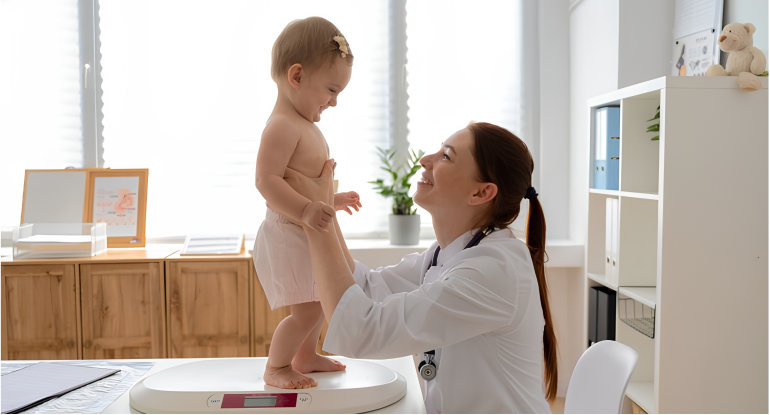
Every child follows a unique journey of growth. Some children begin speaking early, some take a little more time to walk, while others develop their own pace of learning and interaction. Childhood is not a race with a single finish line—it is a beautiful process of physical, emotional, intellectual, and social transformation. Every smile, first step, first word, and new skill becomes part of a remarkable journey that shapes a child’s future.
Monitoring growth and development is one of the most important aspects of pediatric care because it helps identify whether a child is progressing appropriately according to their age and developmental stage. Small changes observed early can make a significant difference in a child's long-term health and well-being.
Dr. Fauzia Zaidi provides specialized Growth and Development assessment and guidance designed to support children through every stage of life, ensuring healthy progress and helping families understand their child’s unique developmental path.
Growth and development are often used together, but they represent different aspects of childhood progress.
Growth refers to measurable physical changes such as:
Development refers to the child's ability to acquire skills and abilities, including:
A healthy child grows not only physically but also emotionally and mentally. Tracking these areas helps create a complete picture of overall well-being.
Children experience rapid changes during infancy, childhood, and adolescence. Monitoring these changes regularly helps identify whether a child is meeting expected milestones and allows concerns to be addressed before they become larger issues.
Regular growth and developmental evaluation can help:
Early intervention often has a powerful impact on a child's future development and confidence.
Dr. Fauzia Zaidi provides a comprehensive approach to evaluating different dimensions of childhood development.
Physical growth provides important insights into a child's overall health. Monitoring includes:
Consistent monitoring helps identify concerns such as slow growth, undernutrition, obesity, or hormonal issues.
Motor development refers to movement abilities and coordination.
Gross motor skills include:
Fine motor skills include:
Delays in these skills can sometimes indicate developmental or neurological concerns.
Communication development is essential for learning and social interaction.
Assessment may include:
Children develop communication abilities at different rates, but identifying delays early allows timely support.
Cognitive skills influence how children think, learn, remember, and solve problems.
Evaluation includes:
Strong cognitive development builds the foundation for future educational success.
Children learn how to express emotions and build relationships from an early age.
Areas commonly observed include:
Healthy emotional development contributes to stronger social skills and emotional resilience.
Every child develops at an individual pace, but some signs may indicate the need for further assessment.
Parents should consider professional evaluation if they notice:
Early recognition creates opportunities for timely support and better developmental outcomes.
Children thrive when healthcare understands that development extends beyond numbers on a growth chart. Every child has unique strengths, abilities, and challenges.
Dr. Fauzia Zaidi follows a comprehensive approach that includes:
Rather than comparing children to others, the focus remains on understanding each child’s individual growth journey.
Growth and development are influenced by multiple factors, including genetics, nutrition, environment, sleep, emotional support, and lifestyle habits. Creating a healthy foundation early in life supports better outcomes throughout childhood and beyond.
Important developmental support strategies include:
Balanced Nutrition
Proper nutrition provides essential nutrients needed for healthy physical and brain development.
Adequate Sleep
Quality sleep supports growth hormones, memory, learning, and emotional health.
Physical Activity
Active play strengthens muscles, coordination, and overall development.
Interactive Learning
Reading, storytelling, games, and communication activities help improve cognitive and language skills.
Emotional Support
Positive family interactions build confidence and emotional security.